
My 15th birthday was nearing and I was getting very nervous. For the last few months, I’d been getting pressured from both sides of my family to have a quinceaera.
My mom is from Venezuela and my dad is from Spain, two cultures that are strict believers in quinceaeras-big celebrations that Hispanic families throw on a young woman’s 15th birthday to celebrate her transition into womanhood. It would be a day of eating and dancing where family members would get to see me in all of my “poofy dress” glory.
My mom and her five sisters all had pretty decked-out quinceaeras in the 1960s. Their parties were held in big ballrooms in Venezuela with music and fashionable dresses.
All of my aunts have given me different accounts of the “best night of their lives” to get me to have a quinceaera. On my father’s side, female cousins called from Spain to convince me that I’d get a lot of presents and be pampered for the day.
No Frills and Bows Please
Why wouldn’t I want a big party thrown for me? One reason is that I’m just not a party person. My idea of a good time is going with some friends to see a cool movie or just hanging out at each other’s houses.
But it’s not just the tacky frills and bows of quinceaeras that I don’t like. It’s also the money. I know families that spend thousands of dollars on quinceaera parties just so their kids can show off to their friends.
One of my cousins in Spain rented out a mansion in Barcelona and invited most of her town to the party. Making quinceaeras all about who can spend the most money takes away from the purpose of the tradition-to show you’re mature and ready to become more responsible.
I also hate that the birthday girl wears the biggest, pinkest and most uncomfortable-looking dress ever made. Not that I’d change my mind if I could wear jeans and Nike’s. I still wouldn’t like the weird ritual that gave my nosy family members an excuse to humiliate my cousins at their quinceaeras and make them feel uncomfortable.
I saw the humiliation first-hand two years ago, when I went to my cousin Genesis’s quinceaera at a restaurant in Queens. I was told I was going to be a special guest, which is really like the maid of honor for quinceaeras. At the end of the night, I’d hand her a candle and a rose, and say a little speech congratulating her on this momentous occasion and wishing her the best of luck.
Witnessing the Humiliation
I followed her the whole night and witnessed all of our family asking her if she had a boyfriend and what size bra she wore. I could see her perspire through her rose pink satin gloves in sheer embarrassment. Knowing the same humiliation would be repeated if I had a quinceaera, I decided to not have one.
I could already see my family scrutinizing me and thinking about what I should be doing now that I’d turned 15. How I must be liking boys or wanting a boyfriend and how I had to start wearing dresses and heels and giggle a lot, like my cousins who are considered pretty and ladylike do.
About 80% of the pressure came from my mom’s mother. My grandmother is the best for typical grandmother reasons: she defends me when my mom is yelling at me, she spoils me rotten and she lets me be whatever I want to be.
So it came as a surprise that she was the one who was hovering over me every day, asking me about the plans for my quinceaera. It had been a special occasion that she’d celebrated with her daughters and now she wanted to share it with me. She tried to negotiate with me. Knowing I hated wearing dresses, she said I didn’t have to wear a dress as long as I had a party.
My Families don’t Mix
I understood my grandmother’s reasons. And I would have loved to see both sides of my family at my birthday party-but I wouldn’t be able to stand them in the same place. My mom’s Venezuelan family is loud and sometimes obnoxious. If the music is not ear-bleeding loud, it’s not a party. My dad’s Spanish family couldn’t be more different. They’re an old-school European bunch. They’re really proper and prefer a quiet family dinner to an all-out party.
And since every Hispanic party calls for some drinking, these differences get multiplied ten-fold. The most hilarious example was at a New Year’s Eve party at my father’s sister’s house in Connecticut about three years ago. My mother’s brother Oscar drank too much and collapsed while dancing with one of my aunt’s fancy friends, who ended up with a broken wrist. My aunt was furious and threw him out of the house, so we had to leave the party early.
Five months before I turned 15, I told my mom I didn’t want a quinceaera. I didn’t want her spending money on something I knew I wasn’t going to enjoy. I jokingly told her I would rather she give me the money that she would spend on a party, and just have a small family gathering. She said she didn’t have a problem with my decision, but warned me about the fit my grandmother was going to have.
Her family in New York and Venezuela started flipping out when they found out. They said they wanted me to continue this tradition. They were bummed out that I was passing up the chance to meet distant relatives from Venezuela and Spain who would fly into town and give me a lot of money.
One of my cousins had gotten at least $6,000 at her quinceaera, not to mention the clothes and gift certificates. I didn’t care. All those presents came at a price-getting humiliated by the family-that I wasn’t willing to pay.
In the end, I decided to have a 15th birthday party that I refused to call a quinceaera. It was a small family reunion at my house, although my mom went overboard as usual. We had most of the food catered, but my mom still made five giant trays of her signature lasagna and potato salad, which I helped make the day before. My mom’s friend’s nephew was a DJ so he brought over his equipment and played music for the night.
I’d sent invitations out and told my mom to tell people it was a casual reunion, so nobody showed up in evening gowns and complicated hair do’s. There was no fancy giant chair where I’d have to sit all night. Only five of my close friends came and the rest were family members.
The Best Present
My favorite aunt, Carmen, flew in from Venezuela and even my dad’s mother from Spain came. My Spanish grandmother gave me the best present of the night-a portrait of her when she turned 15. She’s mute, so I’ve never had a conversation with her. But I’ve been dying to because she seems like she’s got some stories to tell.
It was like she was trying to connect with me by giving me the picture. It was in an intricate wooden frame, and she’s looking up to her right with this gorgeous mane of dark hair over her shoulders. I told her that she was quite the looker in her day, and she laughed and laughed.
The lack of flash kept my nosy family members from humiliating me too much. They did tell me how I was looking prettier already and how I was a young lady now and had to behave accordingly. They made it seem like I’d been a burping, ball-scratching man before, and through the miracle of a quinceaera, I had been transformed into a princess. It didn’t matter that I wore my regular get up of jeans, a T-shirt and sneakers.
Drunken Mariachis
The highlight was when a mariachi band came out of nowhere and started serenading me. (I found out later that the band was my dad’s idea to embarrass me.) The lead singer in the mariachi band was really drunk, and everyone knew it. I had to stand there politely and stare into his bloodshot eyes as he sang to me, while people around me tried to contain their laughter.
In retrospect, my party was a nice experience. I got to hang out with my friends and introduce them to the craziness that is my family.
When I took control of my party, I think I demonstrated the maturity symbolized by a quinceaera. I showed determination. I didn’t whine or complain. I gave clear and sensible reasons why I didn’t want one, just like a lady would. Having my family respect my decision made me feel like their equal, not like a kid they could pick on. And I have to admit it was fun counting the cash with my mom at the end of the night.
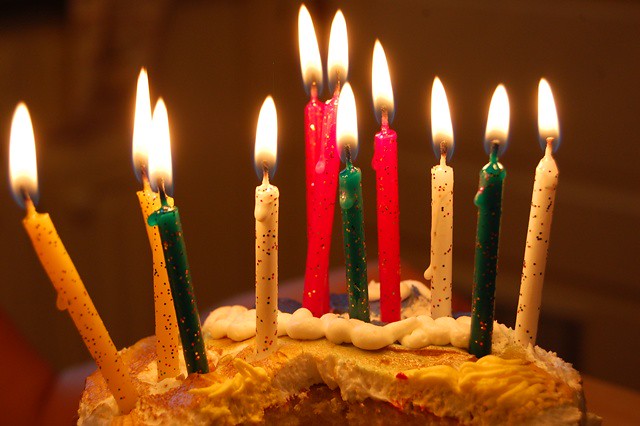
Quinceaera: A Sweet 15 Tradition
About These Stories
YC runs intensive nonfiction writing programs for teens in New York City, where they’re mentored by a professional editor to write personal stories about their lives and about issues that affect young people. Their stories are then published and read by thousands of teens, educators, policymakers, and other adults who work with and for young people.